What New Research Says About Daily Sunscreen and Skin Cancer Risk
Daily photoprotection remains one of the few interventions with durable evidence behind it in skin cancer prevention. A look at what the literature actually supports, where the debates remain, and what patients most often misunderstand.
Why photoprotection keeps returning to the literature
Few preventive measures in dermatology have accumulated as much evidence as sun protection, and yet few are as inconsistently practised. Ultraviolet radiation is a complete carcinogen: it both initiates DNA damage and promotes the clonal expansion of damaged keratinocytes. That dual role is why cumulative exposure, rather than any single sunburn, drives most of the risk we see clinically.
What the evidence supports
Long-term follow-up of randomised photoprotection trials continues to show reductions in squamous cell carcinoma and, more slowly, in melanoma incidence among regular sunscreen users. The effect size is modest per year but compounds across decades, which is precisely why the benefit is easy to underestimate in short studies. Regular use has also been associated with measurable reductions in actinic keratoses, the precursor lesions that clinicians treat long before a carcinoma appears.
Where reasonable debate remains
Two questions recur. The first concerns systemic absorption of certain organic filters, which has been demonstrated in pharmacokinetic studies. Detectable absorption is not the same as demonstrated harm, and regulatory bodies have consistently framed it as a call for more data rather than a reason to stop use. The second concerns vitamin D. Population studies have not shown clinically meaningful deficiency attributable to sunscreen use under real-world application conditions, largely because most people apply far less than the tested amount.
The gap between recommendation and practice
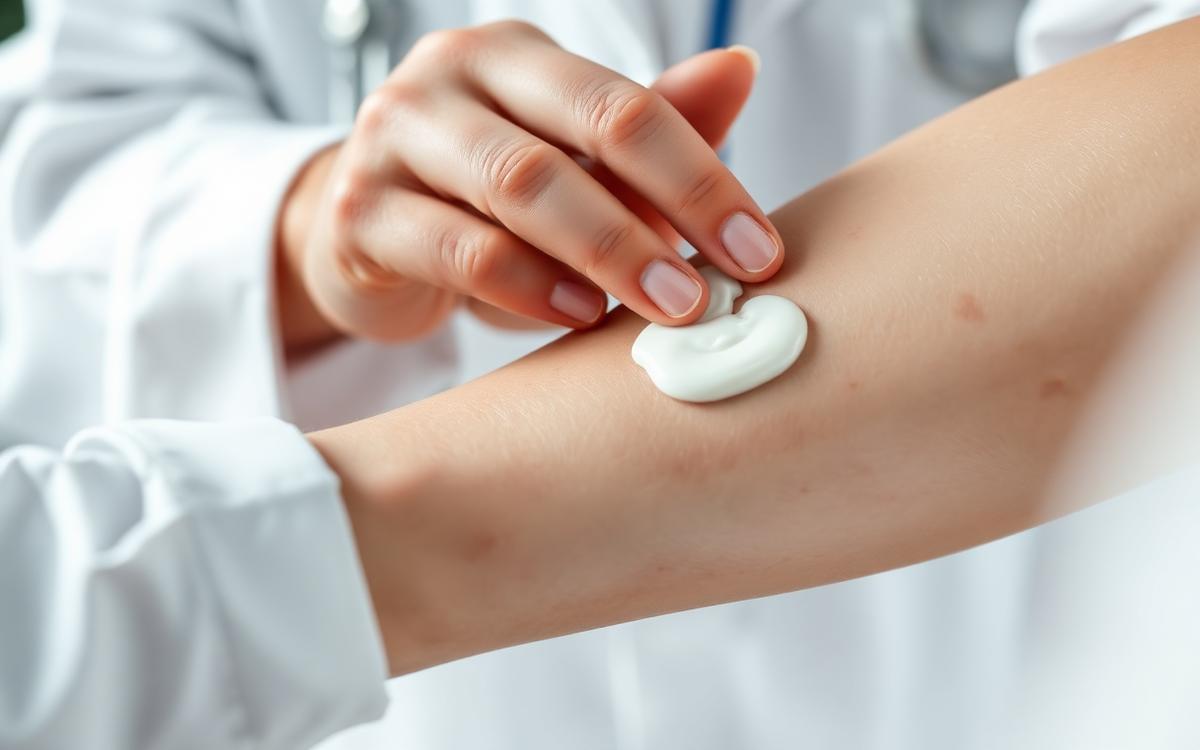
Studies of application behaviour repeatedly find that people use roughly a quarter to half of the quantity used in laboratory SPF testing. The practical consequence is that a labelled SPF 50 product may deliver protection closer to SPF 15 in ordinary use. Reapplication is the weaker link still: protection degrades with sweat, water, and time, and a single morning application does not carry an afternoon outdoors.
What this means for a training physician
The clinically useful conversation is rarely about which product is best. It is about the behaviours that determine whether any product works: adequate quantity, reapplication, shade during peak hours, and protective clothing, which does not depend on reapplication at all. Skin of colour deserves specific attention, since delayed diagnosis, not lower incidence, accounts for much of the worse outcomes documented in these populations.
Watching this space
Ongoing work is examining newer filter chemistries, the role of visible light in pigmentary disorders, and whether antioxidant adjuncts add anything meaningful to topical protection. None of these change the current standard of care, but they are worth following as the evidence matures.
Sources consulted
- American Academy of Dermatology
- National Cancer Institute
- Journal of Clinical Oncology